Loading edition…

Radio
CURRENT EDITION
MARKET NOTE
These are ranked by weighted real-use performance (fuel efficiency and weather performance dominate), then cooking, stability, durability and packability—not by maximum BTU or prestige. The honest value band is roughly €30–€95 / US$35–$100 for a capable bare burner; heat-exchanger systems and liquid fuel expedition rigs cost more because the pot/system or rebuildable fuel hardware is genuinely add
8 PRODUCTS · RANKED
House priorities favor construction, performance, and value.
Current top recommendation: SOTO WindMaster.
| Criterion · priority | 01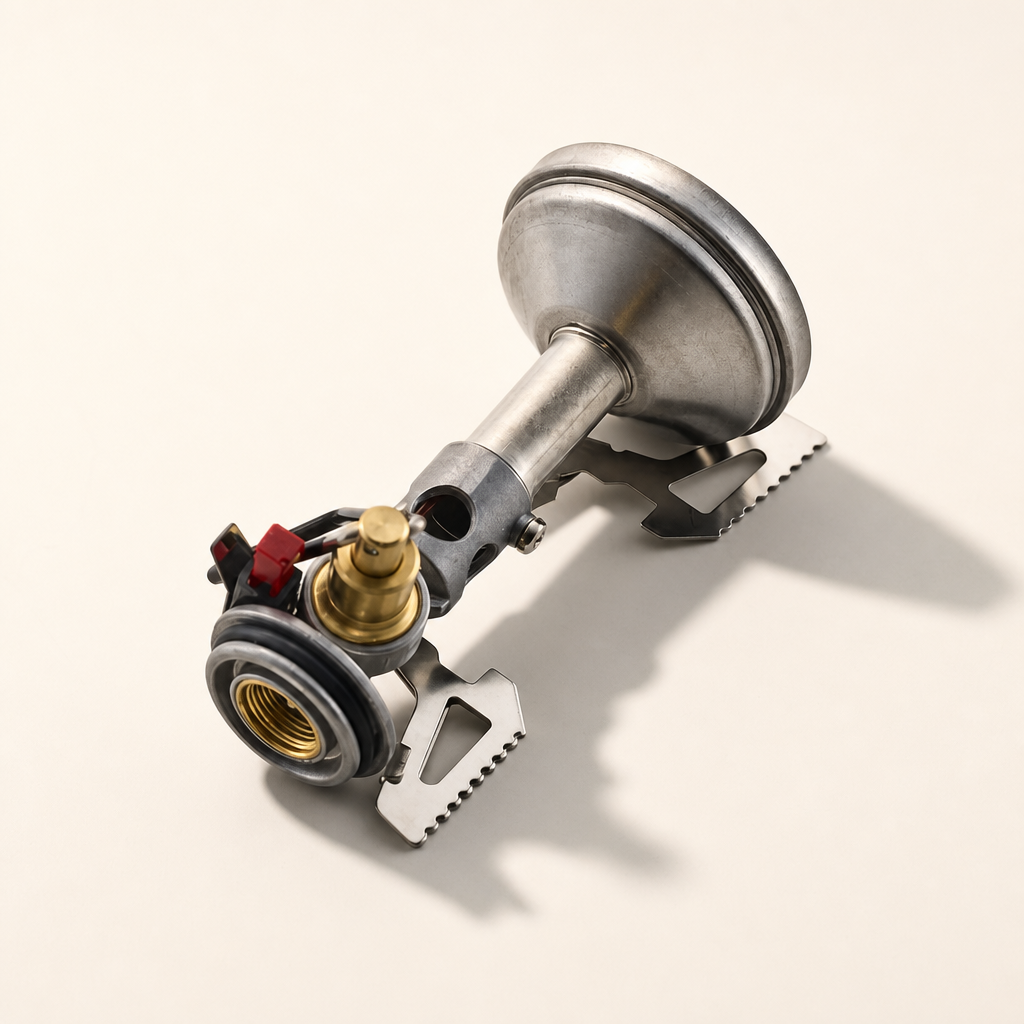 SOTOWindMaster$70 | 02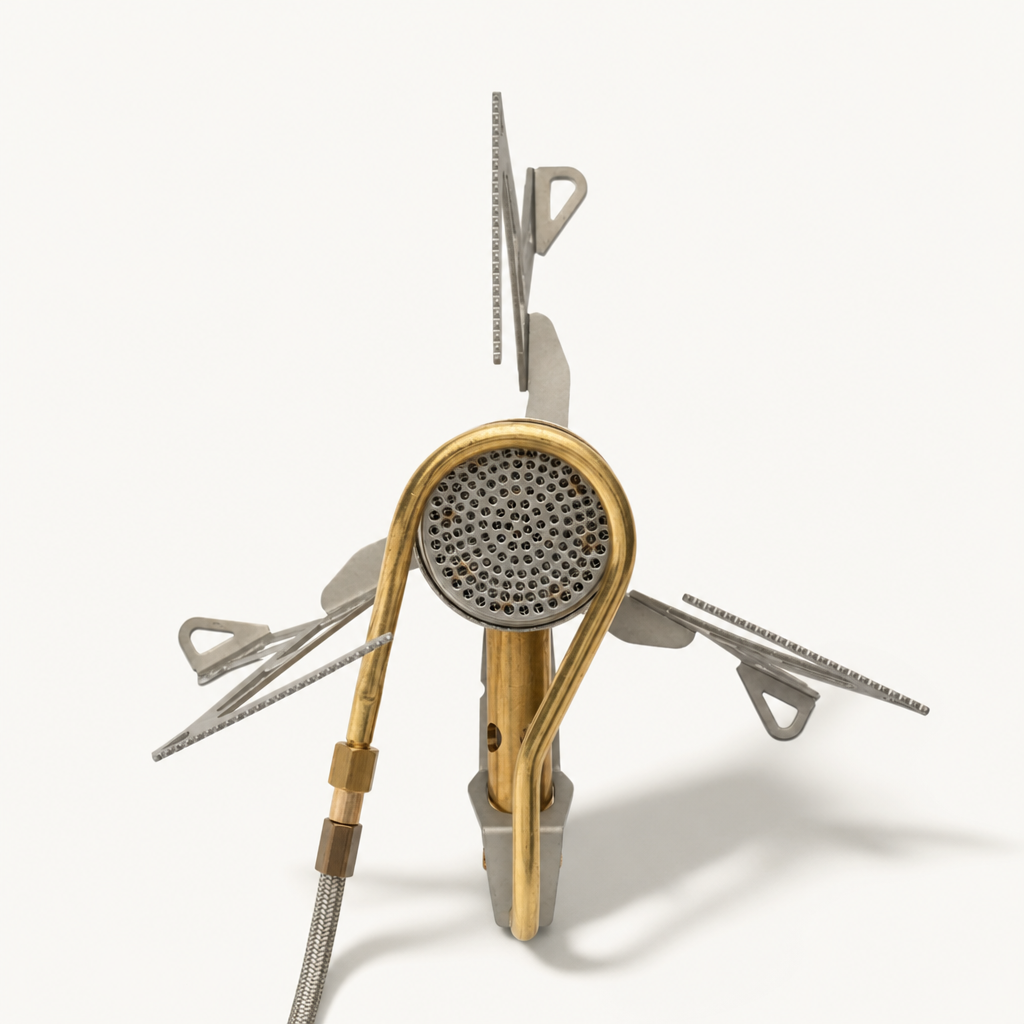 PrimusExpress Spider$92 | 03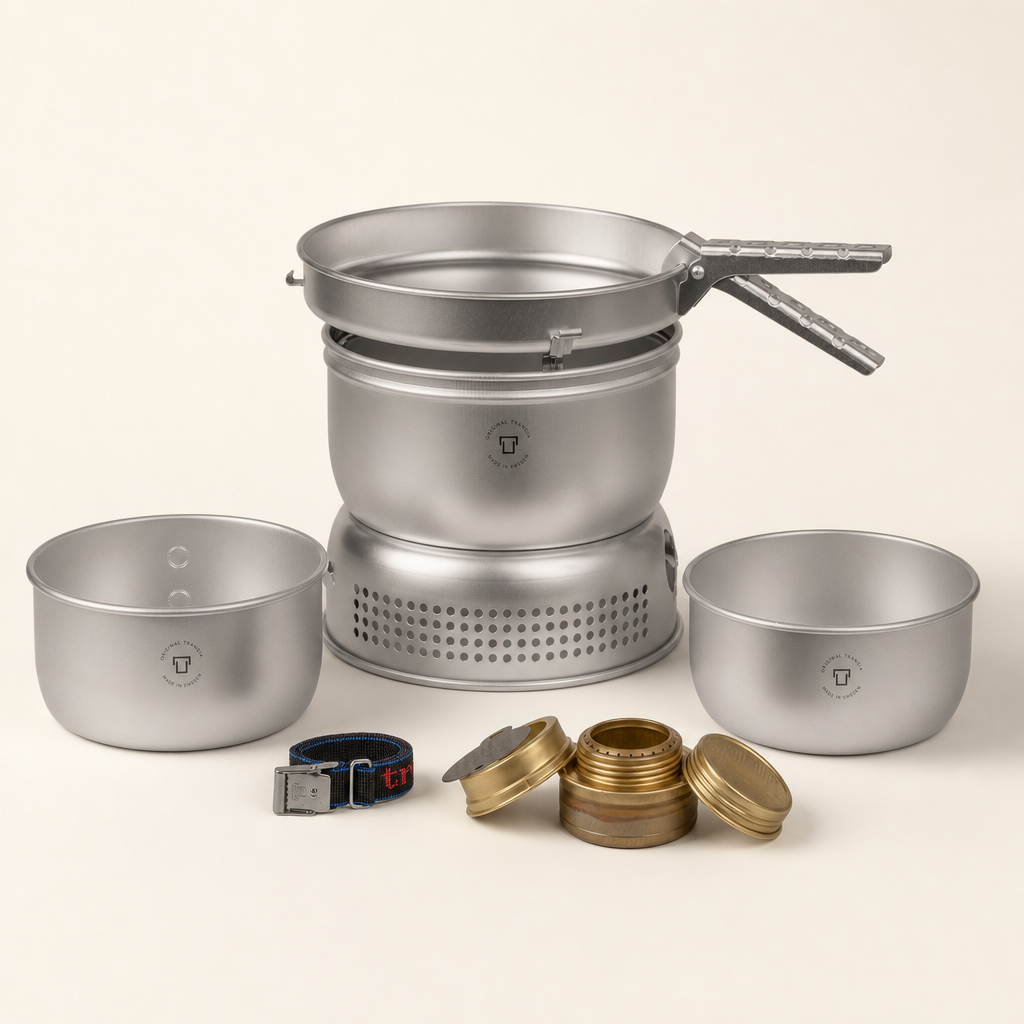 TrangiaStove 25-1 UL$100 | 04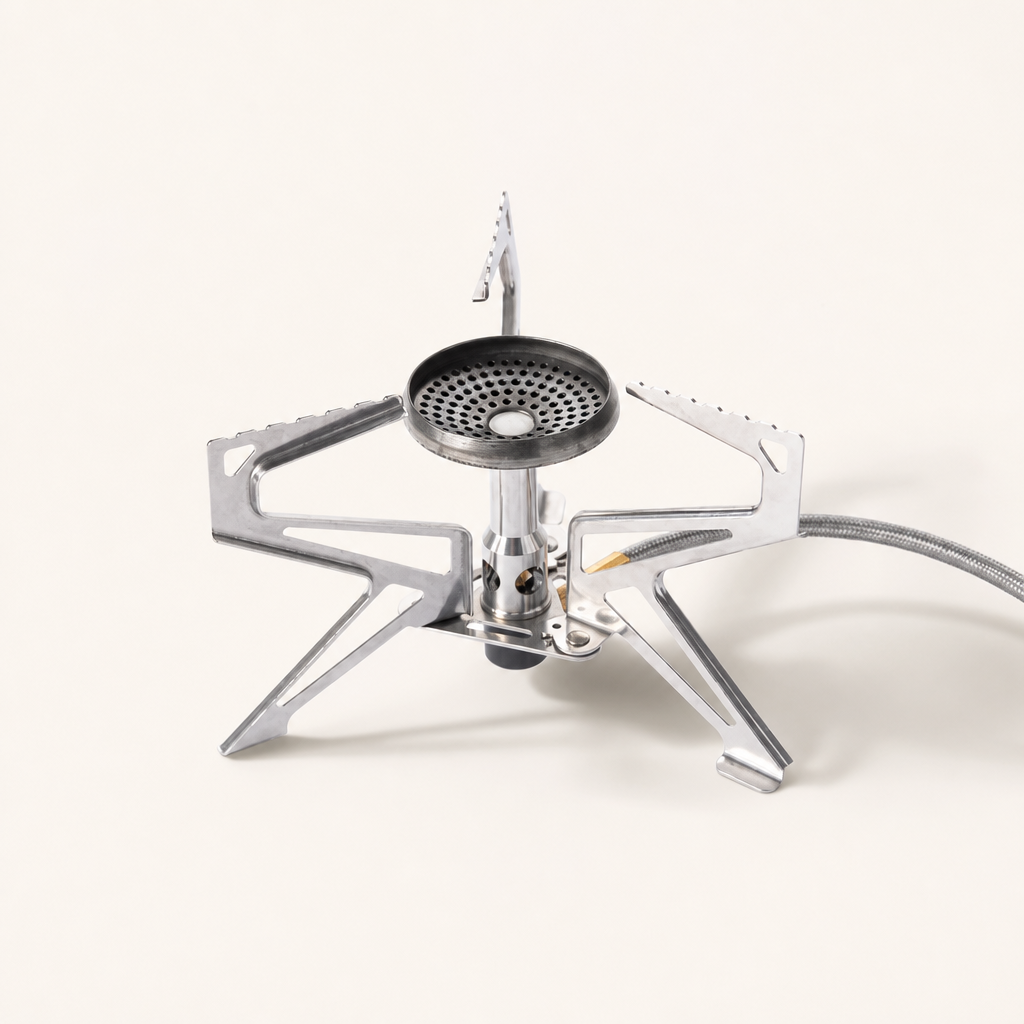 Fire-MaplePolaris Remote Gas Pressure Regulator Stove$53 | 05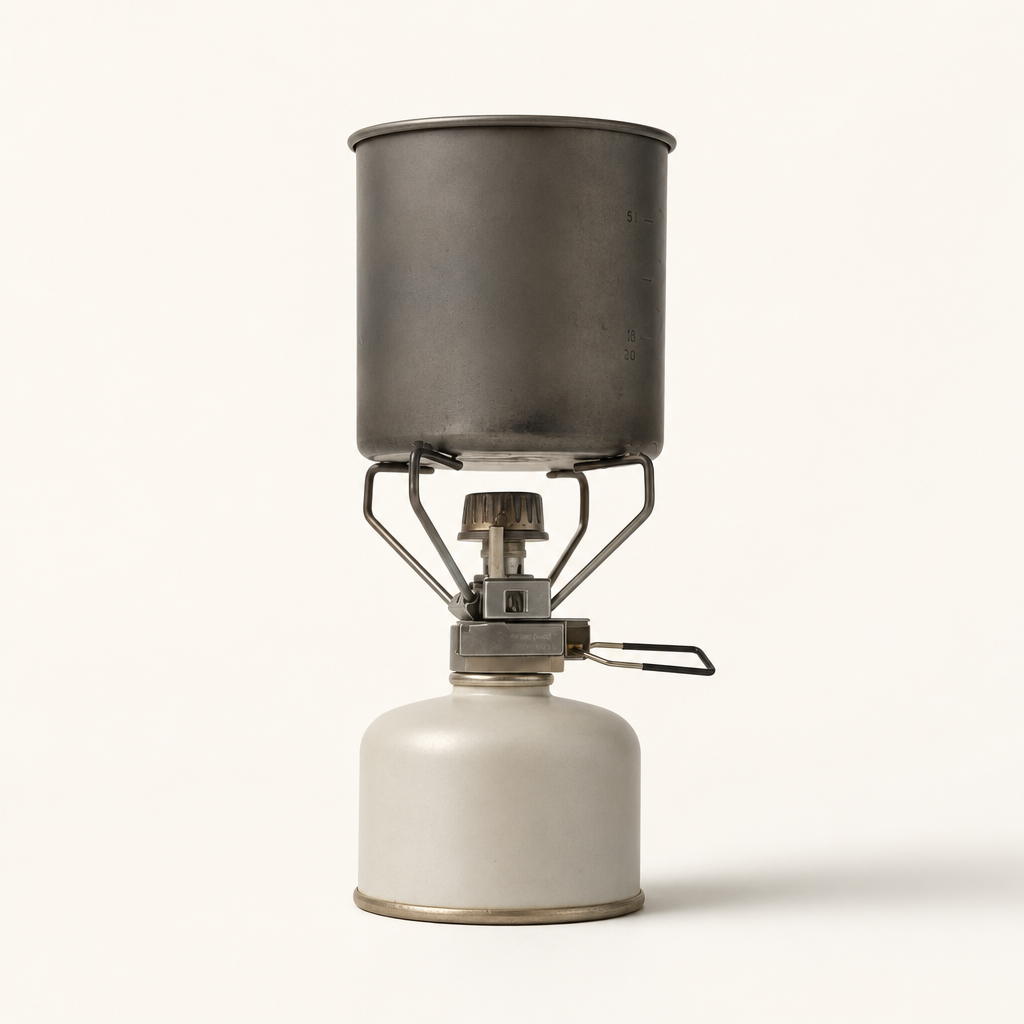 Snow PeakGigaPower 2.0$50 | 06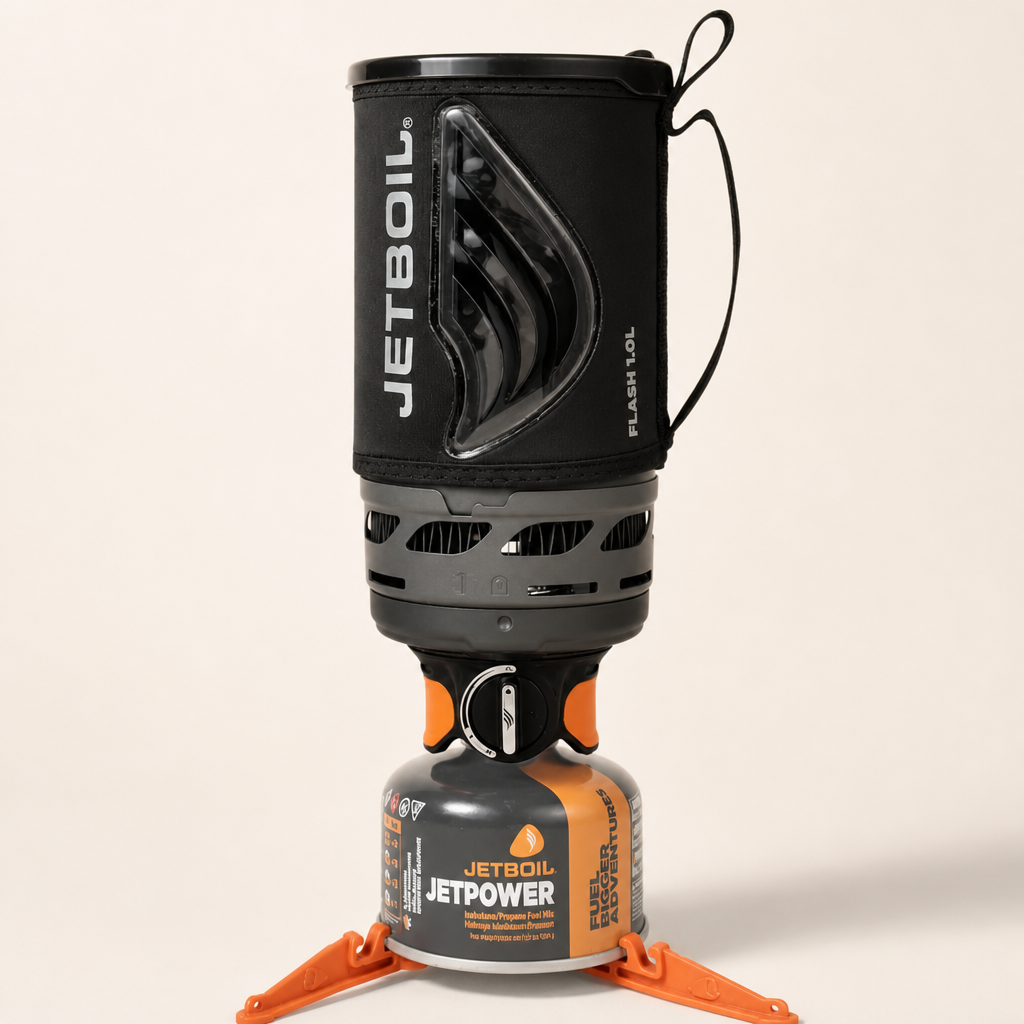 JetboilFlash 1.0L Cooking System$130 | 07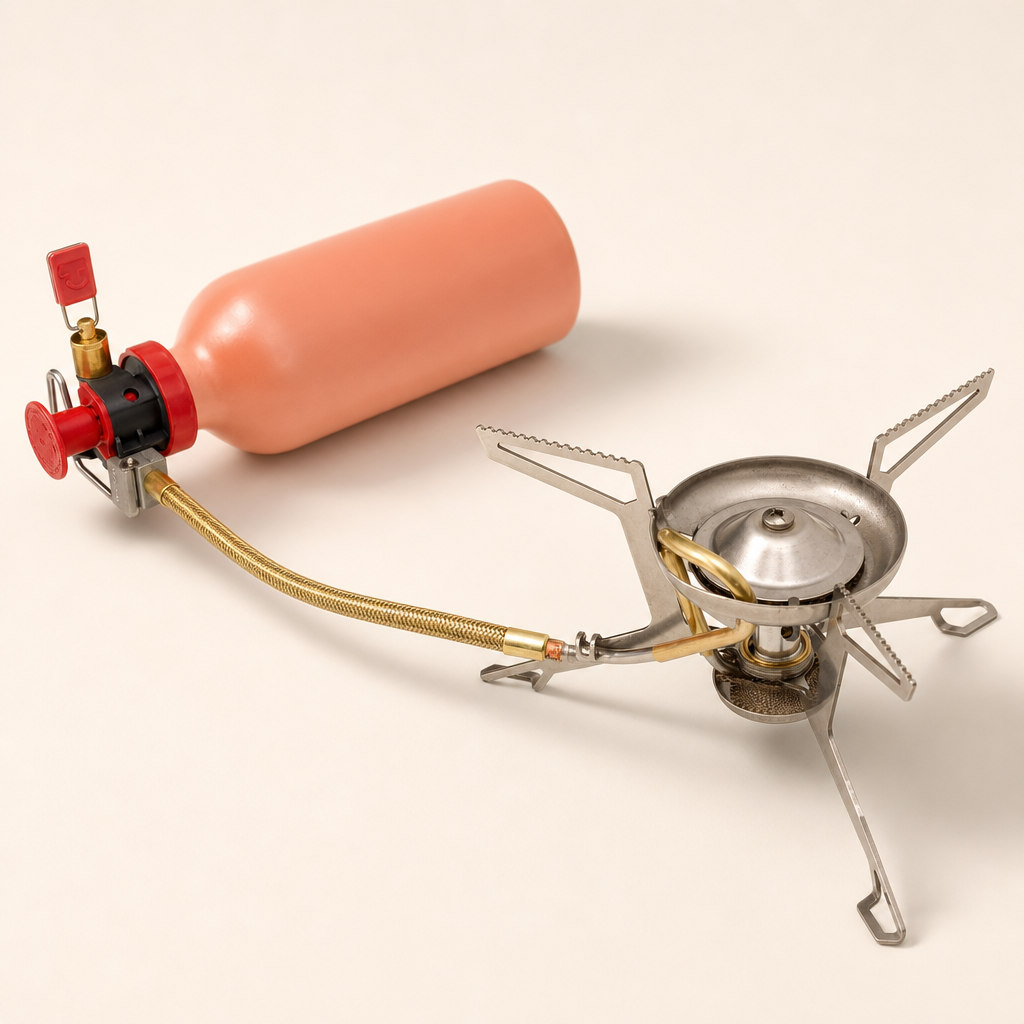 MSRWhisperLite$140 | 08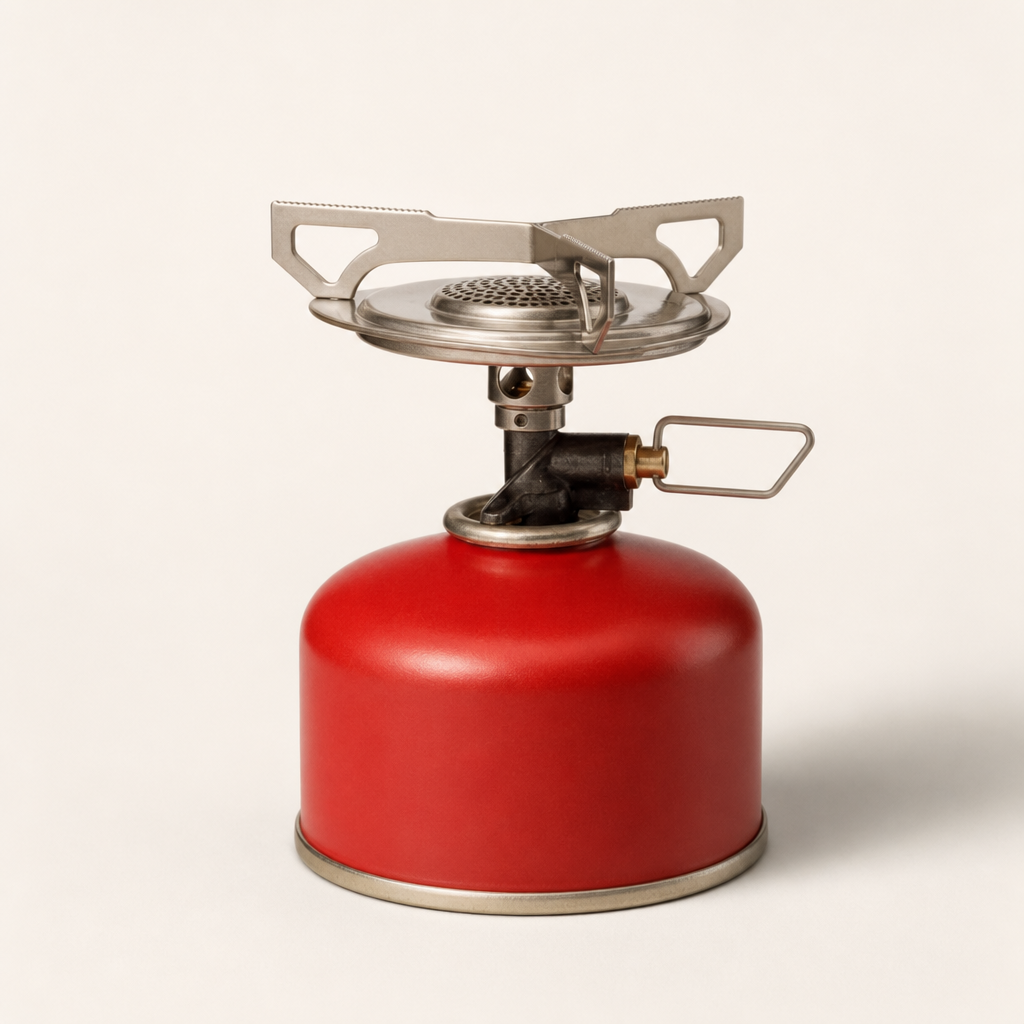 PrimusEssential Trail Stove$38 |
|---|---|---|---|---|---|---|---|---|
| Fuel EfficiencyPriority 1 | 9.0Treeline measured 8.5 L boiled per 100 g and notes its wind performance protects real-trip fuel use. | 8.5Inverted, preheated canister operation avoids the pressure fall that wastes fuel in cold conditions. | 6.5Alcohol has lower energy density and slow boil performance relative to gas systems. | 8.0Regulation supports consistent output rather than opening the valve wider as pressure falls. | 7.0Conventional upright design has no heat exchanger or regulator. | 8.5Treeline lists 10 L per 100 g, while noting real field results vary. | 8.5Independent testing found it more efficient than most liquid-fuel stoves. | 7.5Independent comparison finds higher performance and efficiency than the similarly stable GigaPower 2.0. |
| Weather PerformancePriority 2 | 10.0Long-term test recorded hot water in roughly five minutes in 25–30 mph wind. | 9.0The preheating coil is designed to sustain output at low temperature. | 8.0The integrated windshield provides more practical wind protection than exposed upright burners. | 8.5Independent review describes intended high-altitude, cold and windy use. | 5.0Independent review positions it for fair weather rather than wind. | 7.5Integrated pot shelters the burner, though it is not the strongest-wind system. | 8.0Liquid fuel and included windscreen suit cold and snow-melting duties. | 5.5An exposed upright burner; select sheltered sites rather than treating it as a storm stove. |
| CookabilityPriority 3 | 9.0Regulator and broad burner permit a notably low, stable simmer. | 8.5Independent retailer review calls it finely adjustable and high efficiency. | 8.5Wide supports and a simmer-capable spirit burner suit actual pot and pan cooking. | 8.5Wide arms and remote layout suit larger pots and windscreen-assisted cooking. | 7.5Quiet, controllable burner is pleasant for normal pot cooking. | 5.0Independent testing advises it mainly for boiling rather than simmering or frying. | 6.0Fine simmering needs technique; it is fundamentally a powerful expedition burner. | 8.0Heat reflector and controllable valve make it a better inexpensive simmering choice than boil-only burners. |
| Stability And SafetyPriority 4 | 8.5Toothed 4Flex support grips pots from solo to group sizes. | 9.5Remote canister layout gives a low center of gravity and permits a proper windscreen. | 9.0Low, wide integrated windshield/pot platform is inherently stable. | 9.5Low remote configuration and broad support platform substantially reduce tip risk. | 9.0Independent review identifies stability as its defining strength. | 8.0Integrated pot-to-burner connection and broad system base aid safe boiling. | 8.5Wide, low base is more secure with big pots than an upright canister burner. | 7.5Conventional supports are stable for normal pots, but still sit atop the canister. |
| Durability And RepairPriority 5 | 9.0Seven years/5,000 miles of independent use with piezo still working. | 8.5Stainless/brass construction with serviceable jet and O-rings. | 10.0No pressurized fuel system or moving mechanisms; a South African user reports 40 years of ownership. | 8.0Stainless steel, copper and a stated three-year warranty are credible at this price. | 8.5Stainless four-arm construction and minimal moving parts favor long life. | 7.5Pot and exchanger are robust; piezo is the common extra failure point. | 10.0Shaker Jet, spares kit and decades of field-service history are category-leading. | 8.5Few moving parts and stainless burner keep failure modes simple. |
| Weight And PackabilityPriority 6 | 9.067 g with optional TriFlex; supports pack flat. | 7.5Hose and legs cost more space than a screw-on burner. | 5.5A complete cooking system is bulkier than a micro burner. | 7.5Remote hose adds bulk over a bare upright burner. | 8.0Folds into a small standalone canister stove. | 7.0Everything nests, but an integrated system is heavier than a bare burner. | 5.510.4 oz stove weight before bottle/pump and pot. | 8.0A compact standalone upright stove. |
| Usability And ReliabilityPriority 7 | 9.5Protected ignition wire and consistent regulated output reduce fuss. | 8.5Remote valve avoids reaching under a hot pot. | 8.0Very predictable, though fuel handling and slower starts take patience. | 8.5Regulated output and fold-out legs simplify predictable setup. | 8.0Simple folding operation and no unnecessary complexity. | 9.5Thermochromatic indicator, cozy and integrated format make trail use exceptionally simple. | 7.0Very reliable once mastered, but priming and pumping impose a learning curve. | 8.0No piezo to fail; requires a lighter. |
| Weighted value | 8.9/ 10 | 7.8/ 10 | 7.8/ 10 | 7.8/ 10 | 7.7/ 10 | 7.6/ 10 | 7.4/ 10 | 6.9/ 10 |