Loading edition…
CURRENT EDITION
Handheld Gaming Console
OUR PICKS
Our first choice is Valve Steam Deck OLED ($789). SteamOS, deep polymer grips and an 800p OLED form the most coherent PC handheld package. Official iFixit parts cover the battery, sticks, screen and SSD. AYANEO KONKR Pocket Advance ($99) is the budget pick.
EDITION 01RESEARCHED 2026-08-3021 SOURCESREFRESH DUE 2027-02
7 PRODUCTS · RANKED
House priorities favor construction, performance, and value.
Current top recommendation: Valve Steam Deck OLED.
| Criterion · priority | 01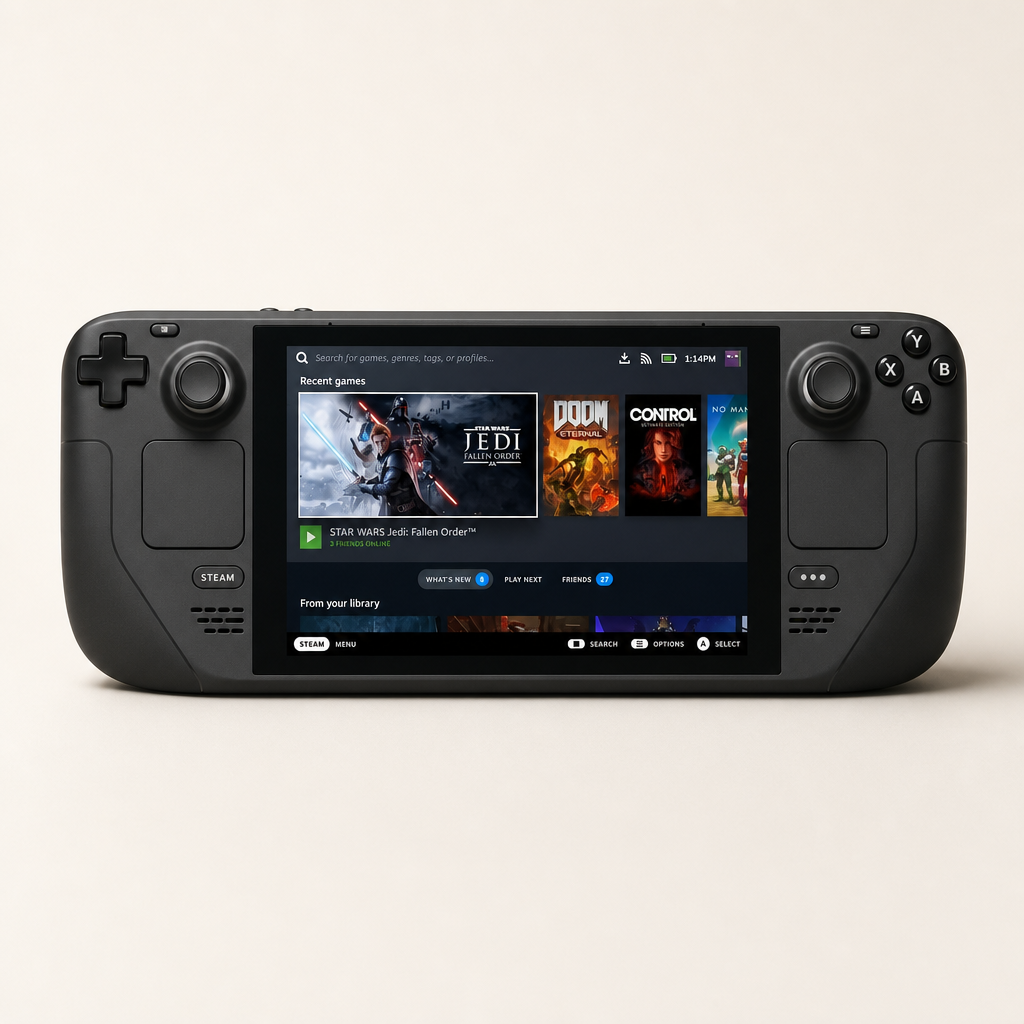 ValveSteam Deck OLED$789 | 02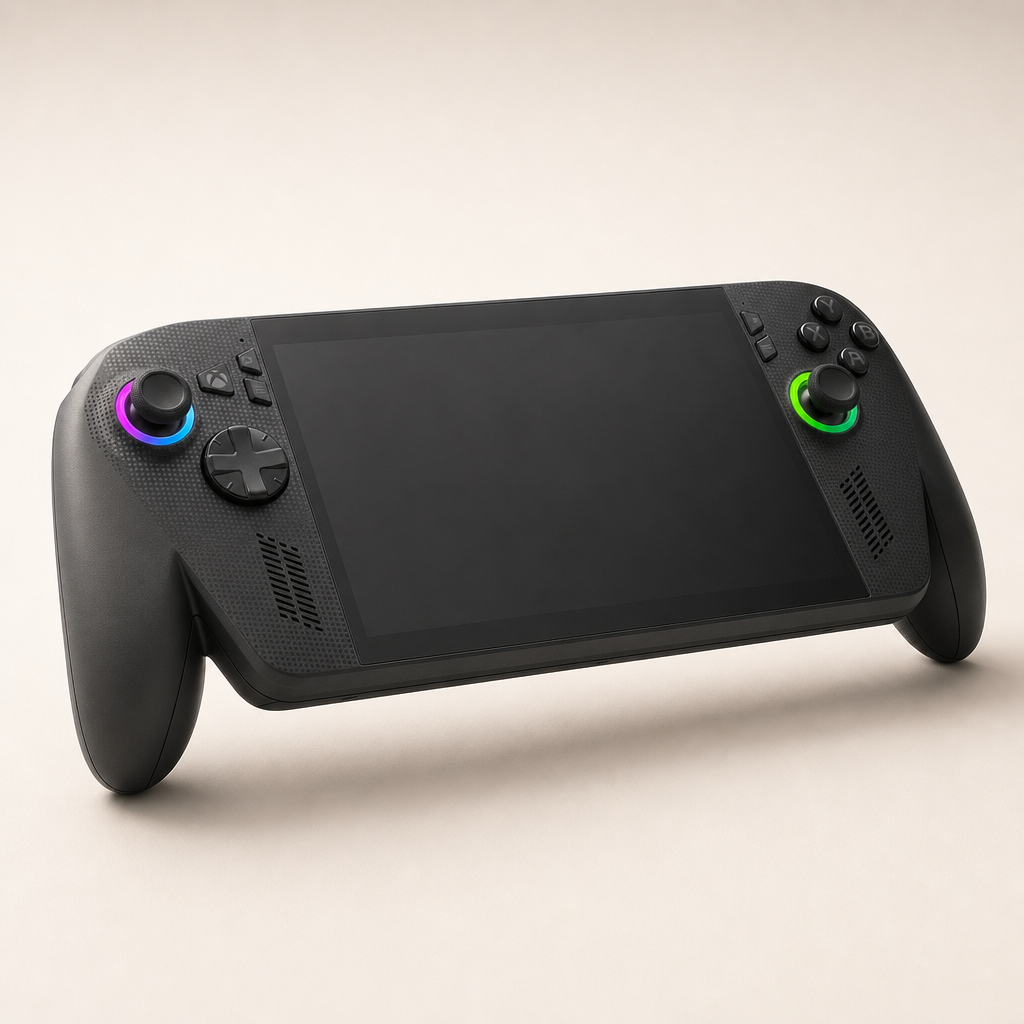 ASUSROG Xbox Ally X$980 | 03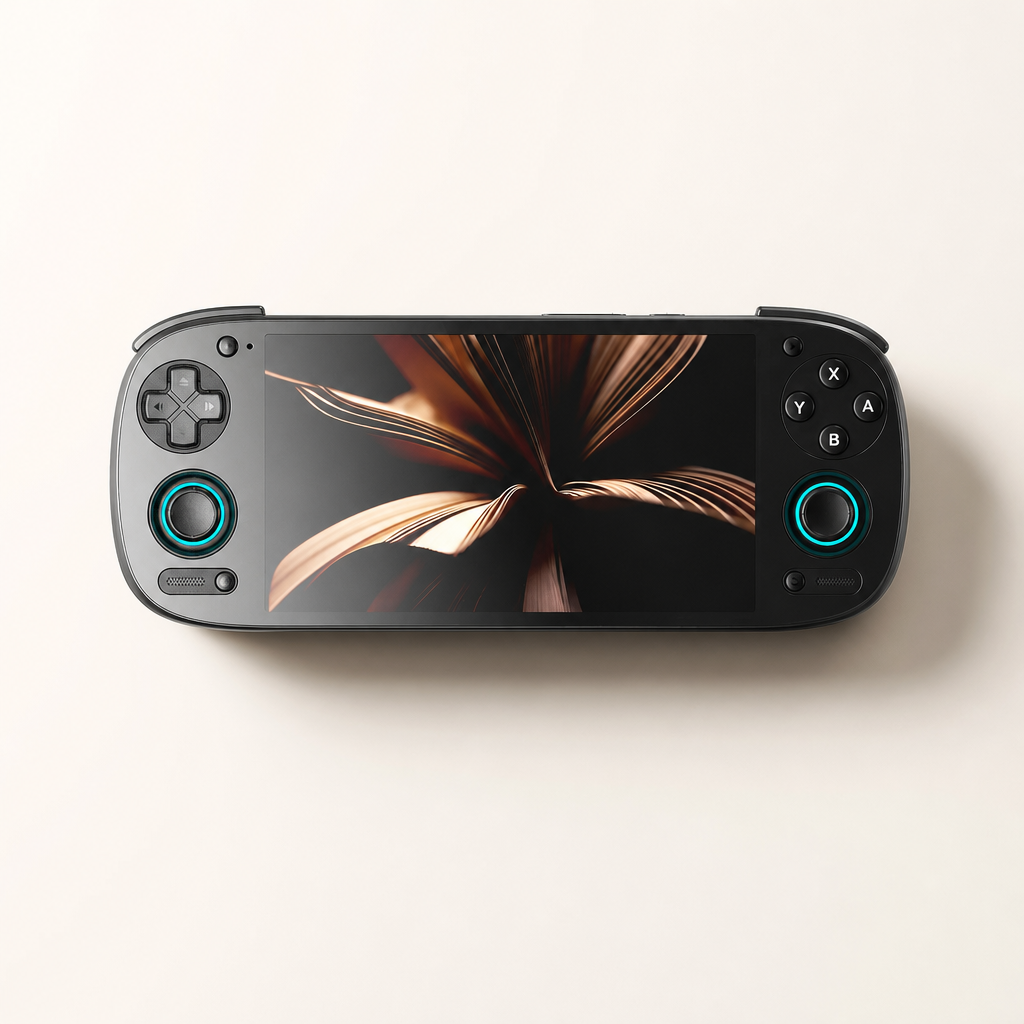 RetroidRetroid Pocket 5$219 | 04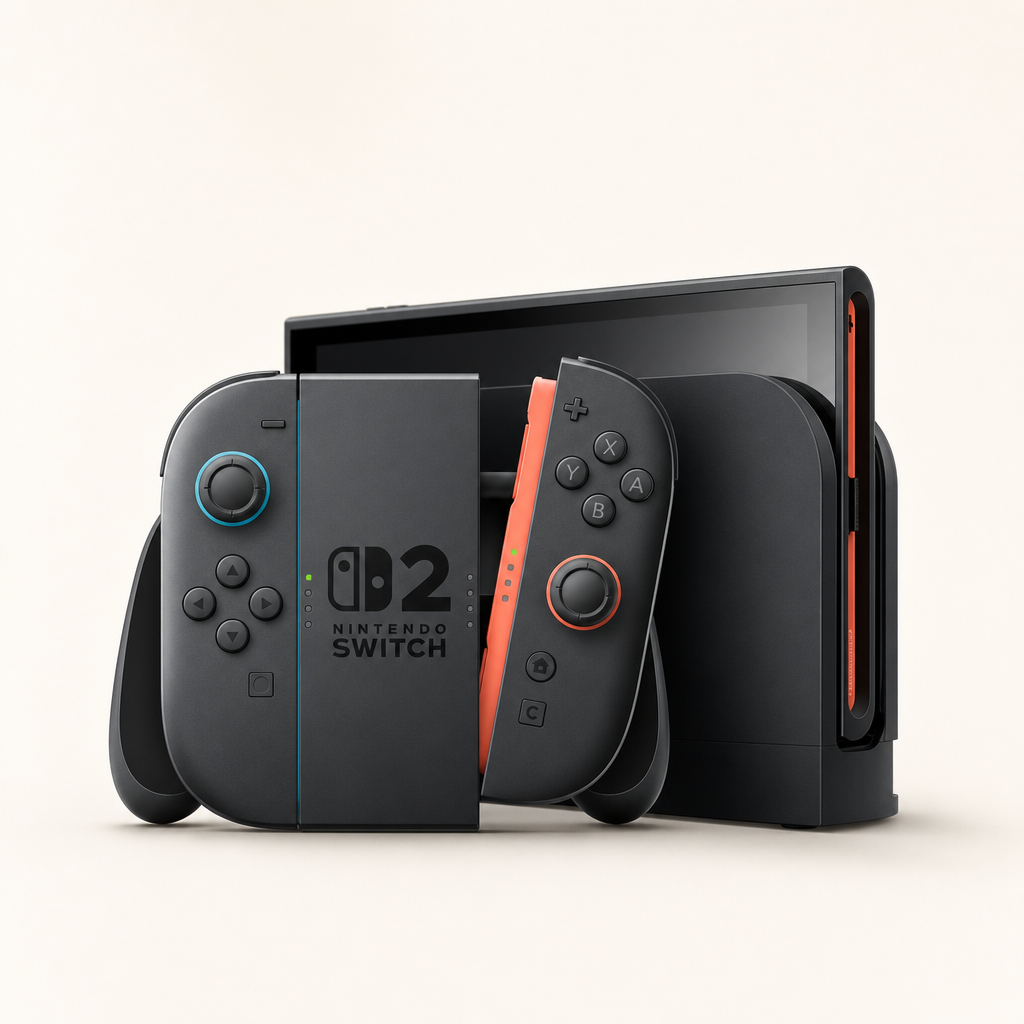 NintendoNintendo Switch 2$830 | 05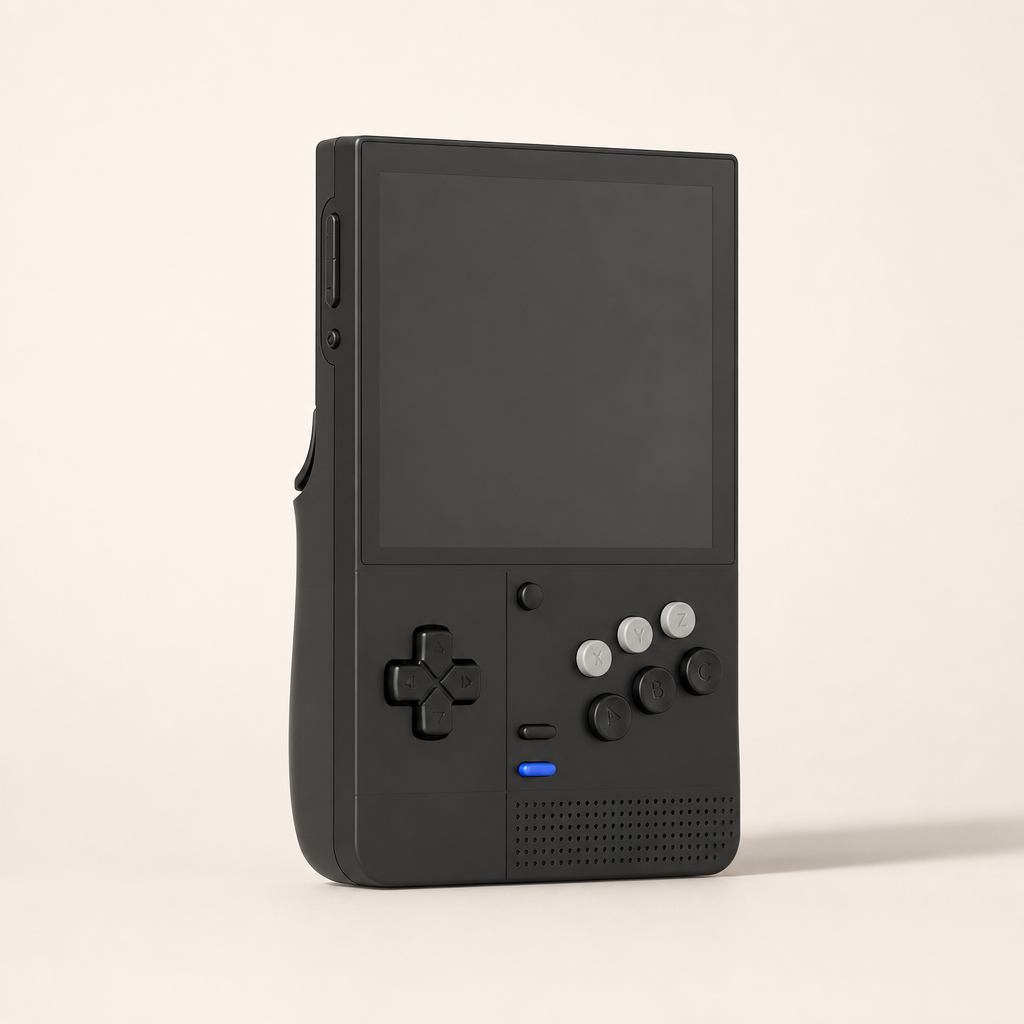 RetroidRetroid Pocket Classic$159 | 06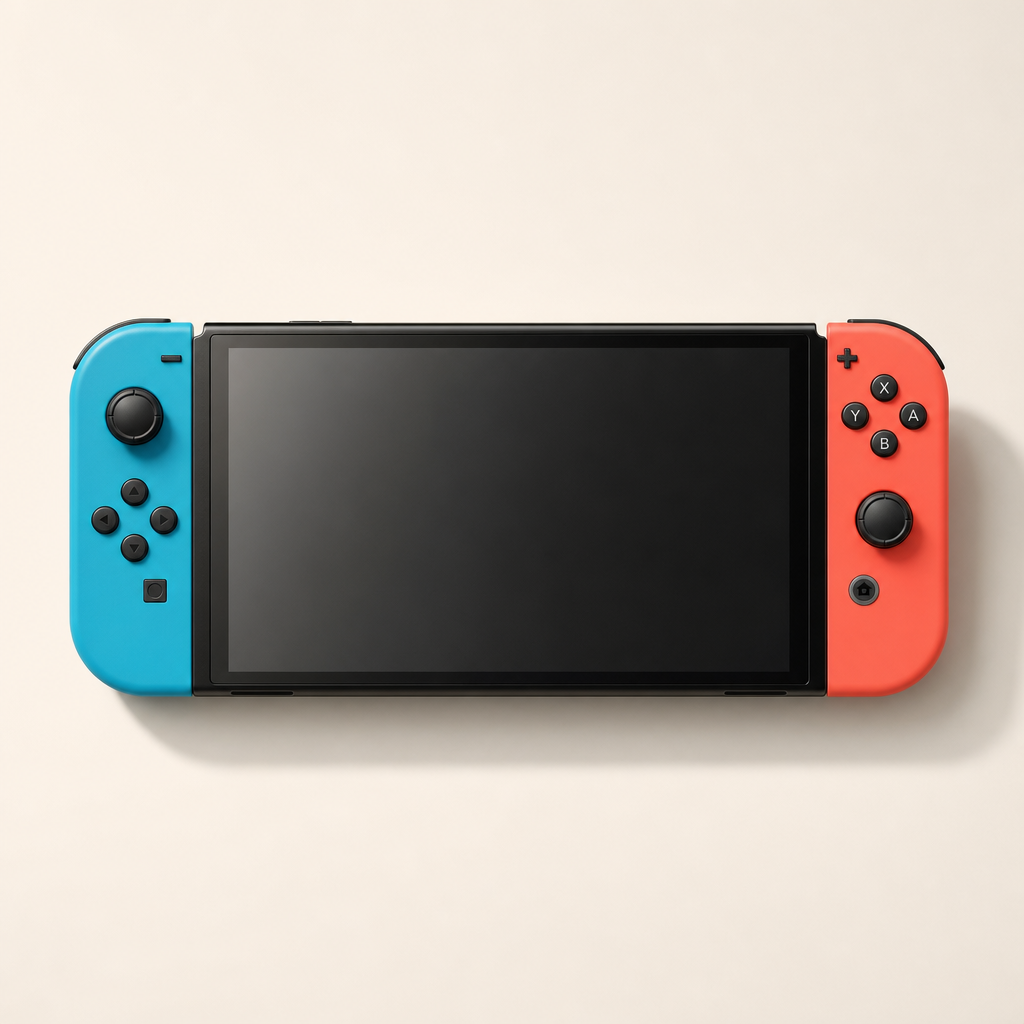 NintendoNintendo Switch OLED$358 | 07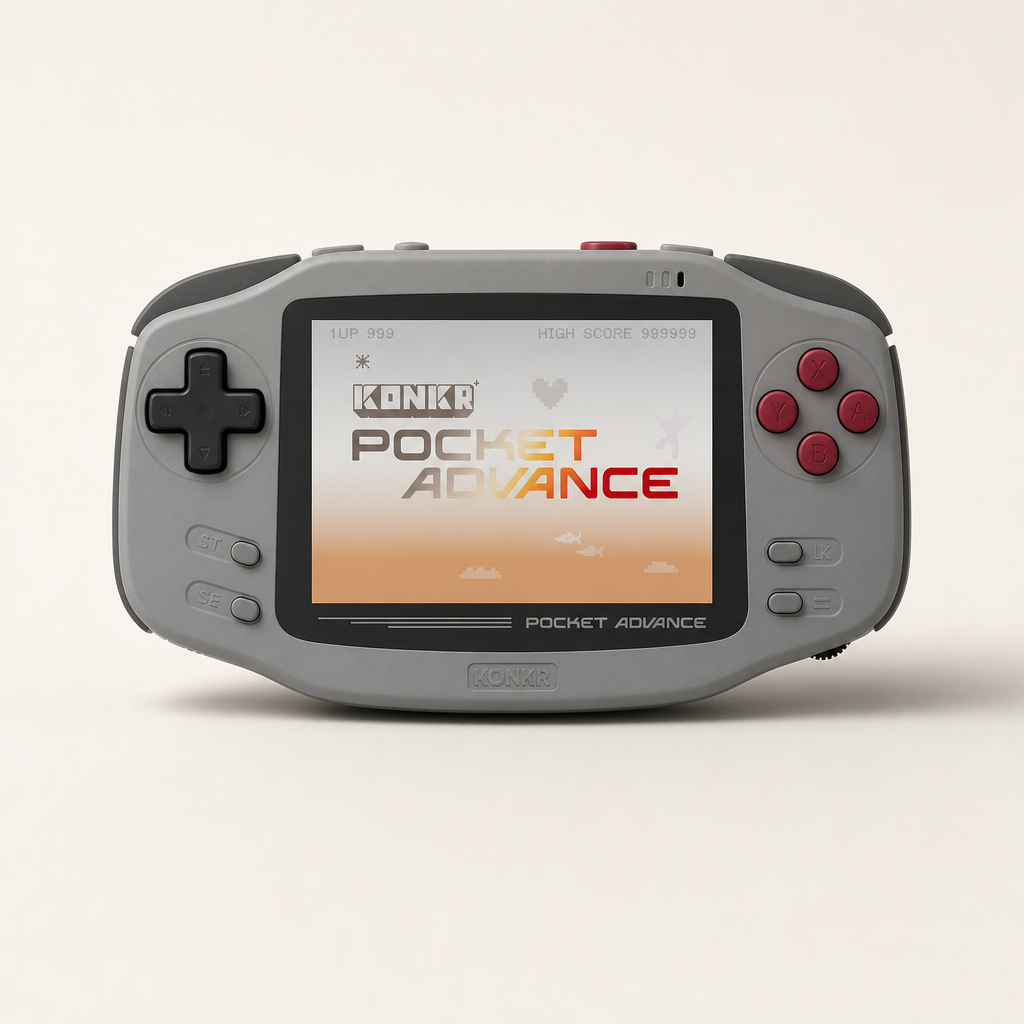 AYANEOKONKR Pocket Advance$99 |
|---|---|---|---|---|---|---|---|
| Ergonomic EndurancePriority 1 | 9.2640g chassis with sculpted grips and trackpads is widely established as a long-session design. | 9.0Long-term Portugal review calls it ASUS's heaviest but most comfortable handheld, with weight in the palms. | 8.2280g weight and contoured rear are comfortable, though smaller hands benefit most. | 7.5Improved attachments and tabletop stand help, but flat Joy-Con ergonomics are still modest for adult 3-hour play. | 7.2Vertical D-pad layout excels for retro games but is less suitable for long dual-stick sessions. | 7.2Light body helps, but the thin Joy-Con grip is less natural than a Deck or Ally. | 7.8224g GBA-inspired horizontal layout is comfortable for D-pad-led sessions. |
| Sustained PerformancePriority 2 | 7.3800p/SteamOS power envelope favors stable capped play over high native-resolution peaks. | 9.1At 25W it held 61fps average in Cyberpunk at 720p in independent testing. | 8.1Cooled Snapdragon 865 is a proven stable ceiling for PS2/GameCube-class Android emulation. | 7.8Custom Nvidia hardware and DLSS target software-built games effectively rather than universal PC workloads. | 7.4Active cooling supports steady target-platform emulation. | 5.7Efficient fixed-console software but clearly older hardware. | 6.5Helio G90T is stable for intended retro systems, not heavy PS2 emulation. |
| Software FrictionPriority 3 | 9.7SteamOS controller UI, per-game TDP and suspend/resume remain the reference implementation. | 7.8Xbox full-screen mode and game profiles help, but Windows launchers and updates remain friction. | 7.2Android emulation needs initial setup; once configured it is flexible rather than appliance-simple. | 9.4Purpose-built console UI, sleep/resume and curated compatibility are exceptionally low-friction. | 7.0Android setup remains more hands-on than a console UI. | 9.2Dedicated OS, excellent suspend/resume and predictable compatibility. | 6.9Android configuration is required; dedicated buttons reduce day-to-day navigation friction. |
| Battery RealityPriority 4 | 8.650Wh battery and low-power tuning deliver roughly 3–4h demanding or far longer light play. | 8.780Wh supports real 1.5–2h demanding, 2.5–3.5h balanced and 4–5h light play. | 8.05000mAh battery yields roughly 4–6h active play depending on emulator load. | 7.3Reported handheld range is roughly 4–7 hours depending on title. | 8.85000mAh paired with a small AMOLED supports roughly 10–12h typical retro use. | 7.5Efficient SoC gives practical mixed-play runtime despite OLED. | 8.04000mAh supports about 6–7h of intended retro play. |
| Display QualityPriority 5 | 9.27.4-inch 90Hz HDR OLED has the group's strongest contrast response. | 7.9120Hz VRR, 500-nit 1080p IPS is responsive, though not OLED and 16:9 is dated. | 8.85.5-inch 1080p AMOLED delivers contrast and excellent integer-scaling flexibility. | 8.0Improved panel and system-level presentation; it lacks OLED black level. | 8.7AMOLED is a major visual advantage for its size and price. | 9.07-inch OLED remains superb for contrast and handheld presentation. | 7.4960×640 3:2 LCD is a purposeful GBA-friendly choice rather than a spec-sheet maximum. |
| Control FidelityPriority 6 | 9.0Trackpads, gyro, rear buttons and Steam Input support unusual PC control schemes. | 7.4Ergonomic layout is strong but the reviewer criticizes potentiometer sticks at this price. | 7.9Controls are good for its class; Android touch configuration remains a variable. | 7.7Magnetic Joy-Con design is improved, but compact sticks are not full-controller equivalents. | 8.0D-pad-first form suits classic systems; not optimized for modern twin-stick games. | 7.3Improved rail retention, but small detachable controls limit adult ergonomics. | 7.5D-pad/face-button focus works well for its target library, with no analog option. |
| Repairable LongevityPriority 7 | 9.8iFixit sells official parts and publishes repair guides; SSD, sticks, battery and screen are serviceable. | 6.8Battery, sticks and standard 2280 SSD are accessible, but official parts/guides remain less proven than Valve's. | 8.3iFixit reports battery, sticks, fan and many buttons straightforward to replace. | 3.0iFixit scored it 3/10: glued battery and soldered/consolidated components. | 5.5Good reported build quality, but no established official self-repair parts system. | 4.2Parts are available, but construction is less modular and drift remains an ownership risk. | 5.8Screw-fastened enclosure is promising, but no independent parts ecosystem is confirmed. |
| Weighted value | 9.0/ 10 | 8.5/ 10 | 8.2/ 10 | 7.9/ 10 | 7.8/ 10 | 7.5/ 10 | 7.4/ 10 |