Loading edition…
CURRENT EDITION
Recreational Kite
OUR PICKS
Our first choice is Prism Kites Prism Synapse 140 ($60). The frameless Synapse 140 needs no assembly, packs into a pouch and launches readily. Its quick, input-sensitive steering suits practiced pilots in smooth wind, not novices seeking a placid first kite. HQ Kites HQ Sleddy Rainbow ($19) is the budget pick.
EDITION 01RESEARCHED 2026-11-2224 SOURCESREFRESH DUE 2027-05
7 PRODUCTS · RANKED
House priorities favor design, everyday experience, and lasting relevance.
Current top recommendation: Prism Kites Prism Synapse 140.
| Criterion · priority | 01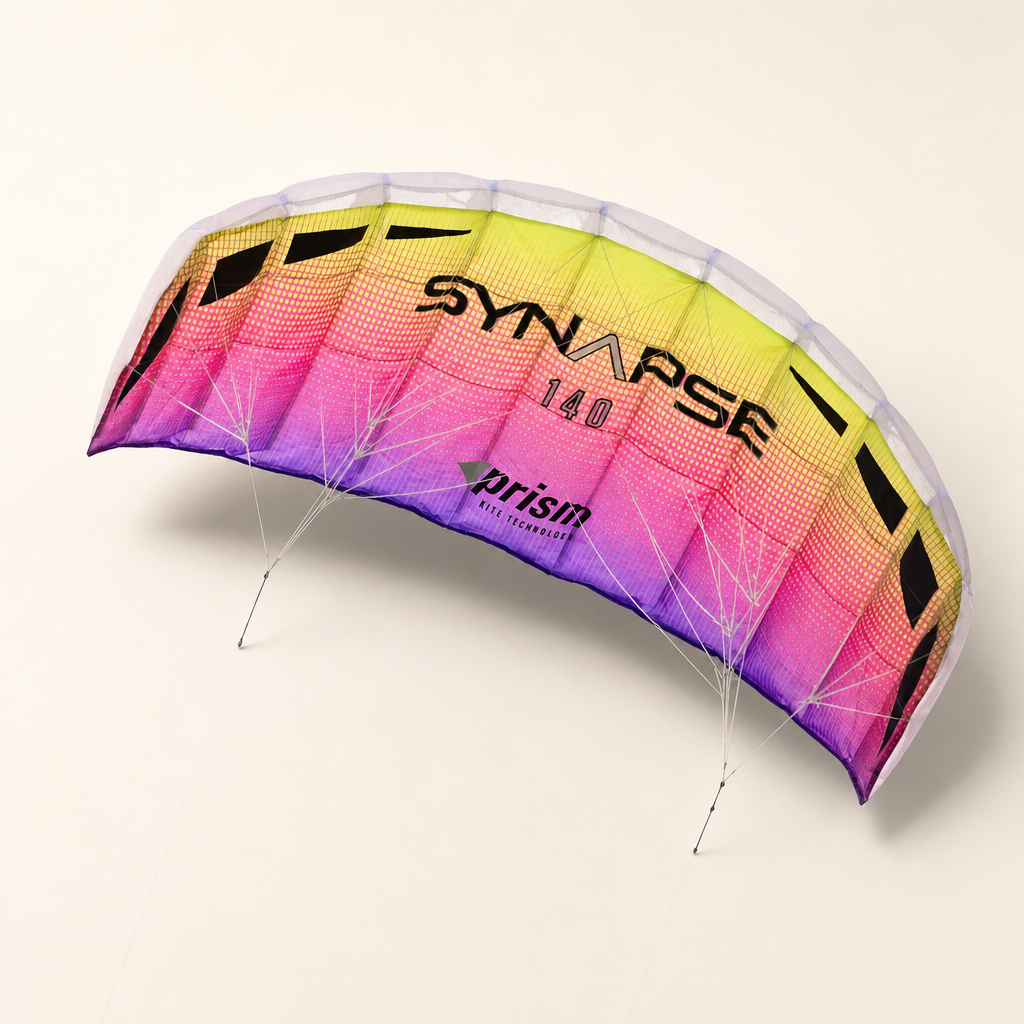 Prism KitesPrism Synapse 140$60 | 02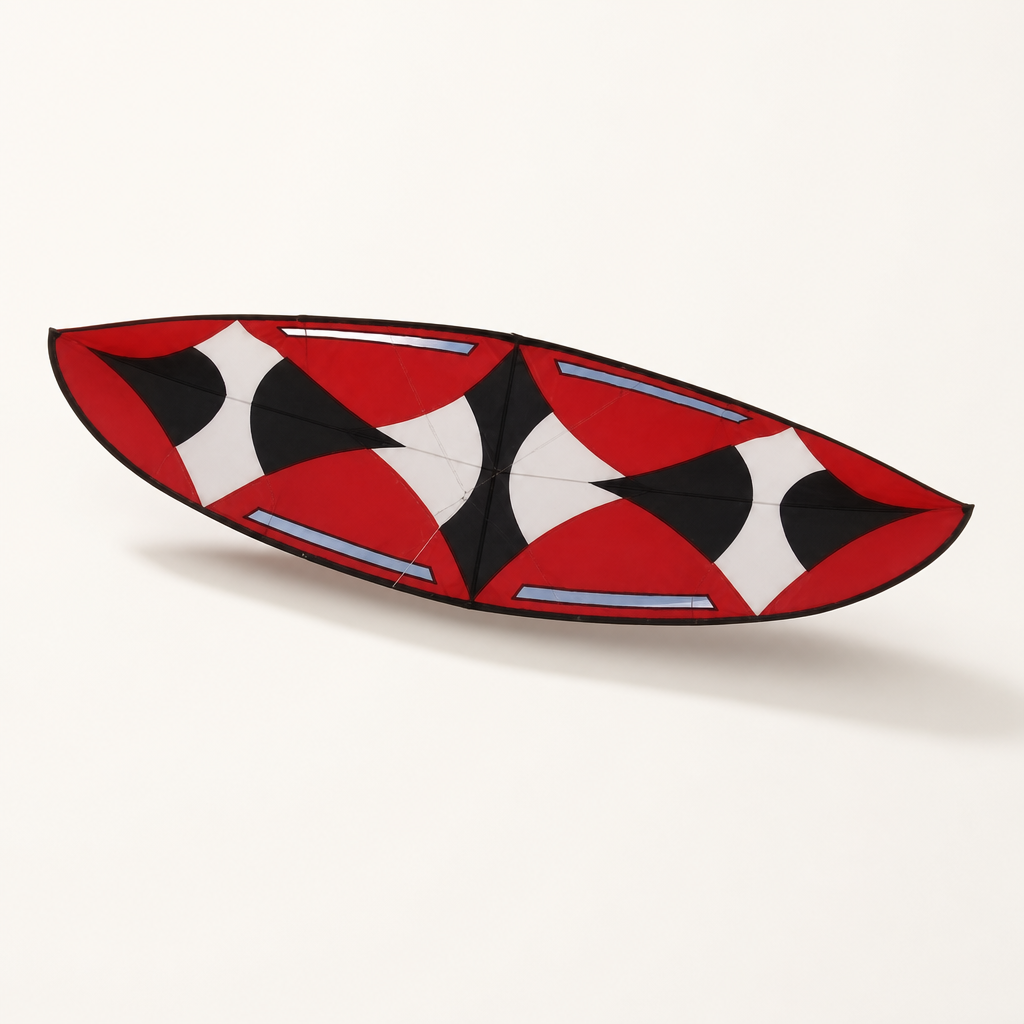 Flying WingsLam Hoac Moon Kite$290 | 03 HQHQ Symphony Beach III 1.3 Rainbow$44 | 04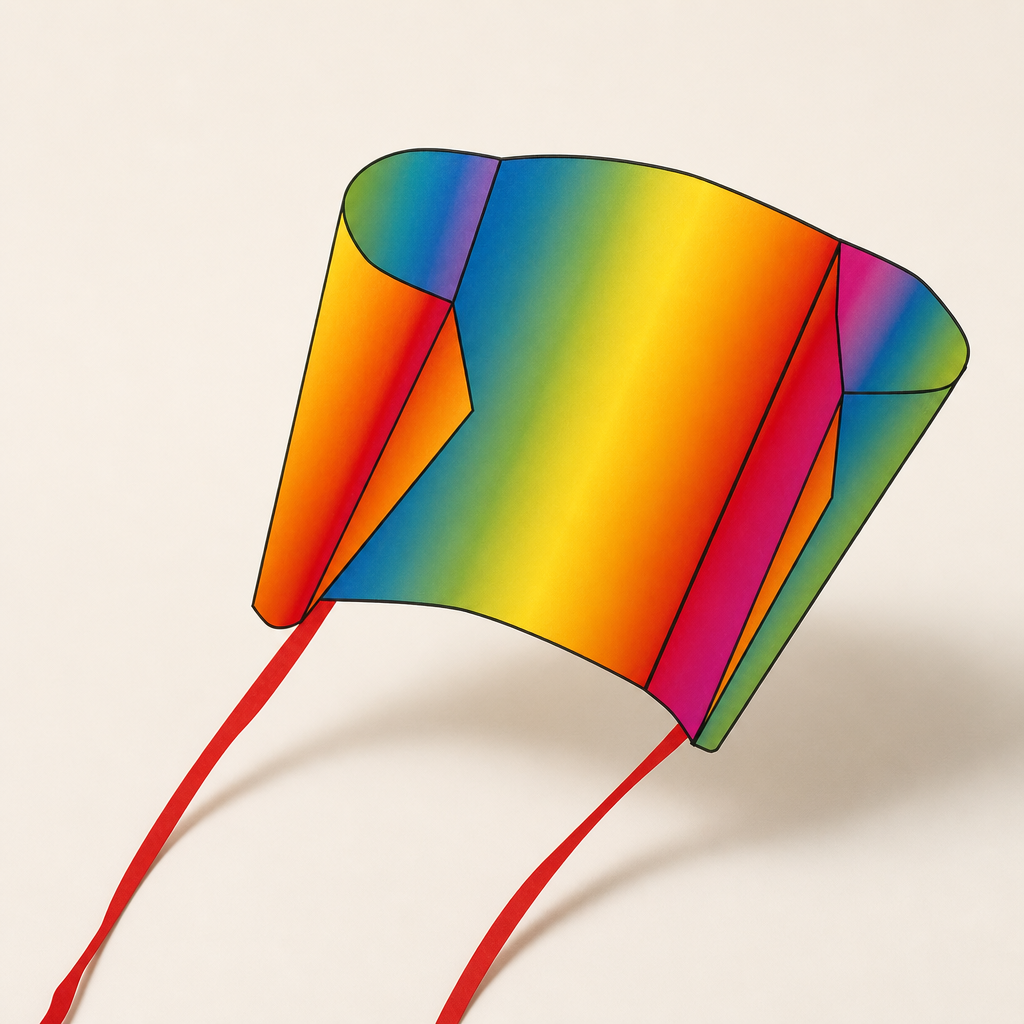 HQ KitesHQ Sleddy Rainbow$19 | 05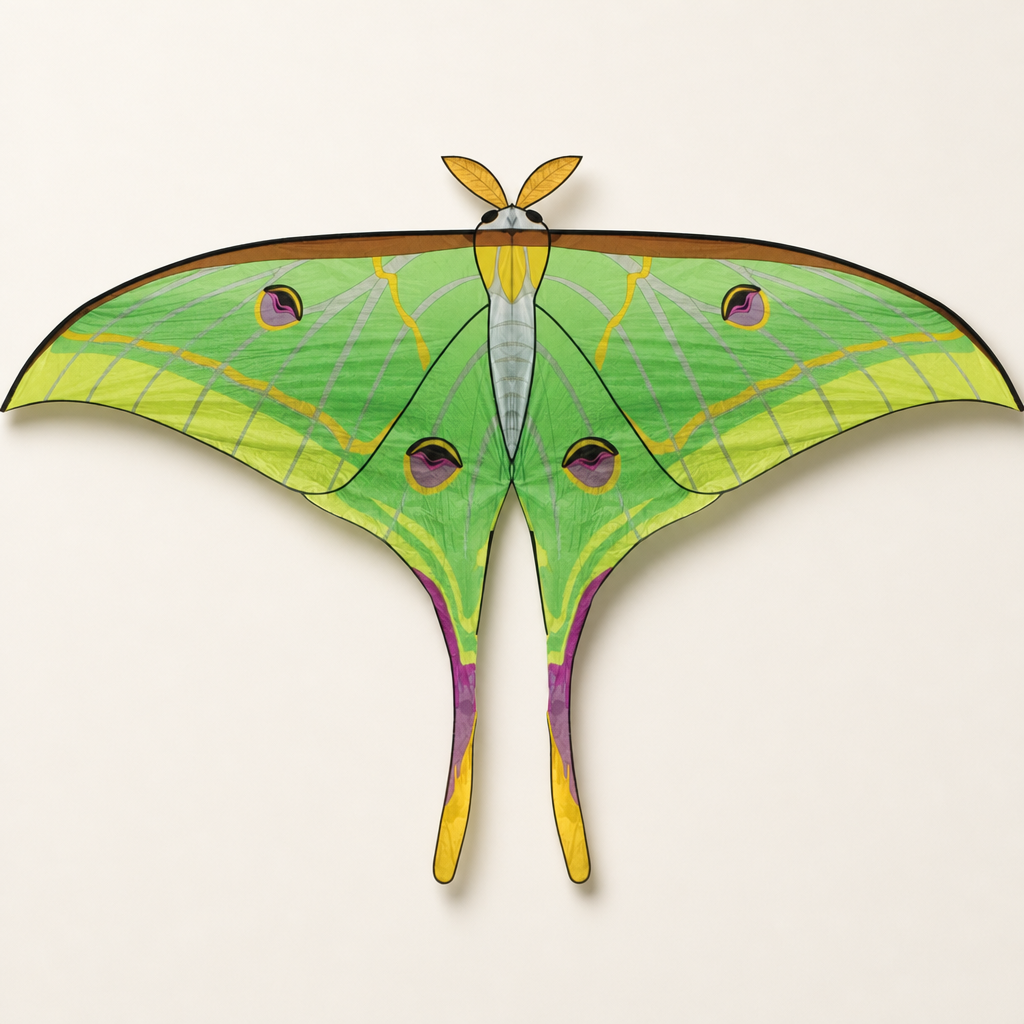 Premier KitesPremier Luna Moth$289 | 06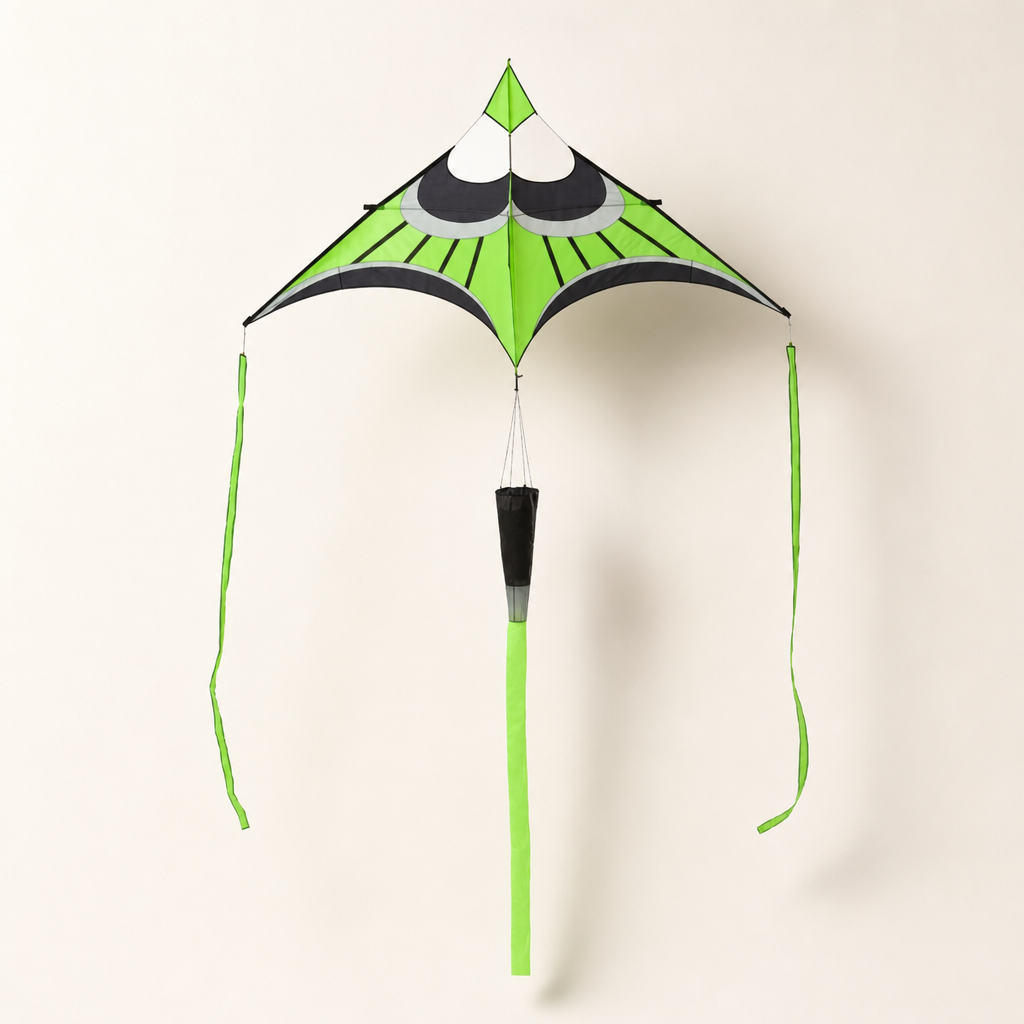 HQ InventoHQ Hoffmann’s Canard Delta$144 | 07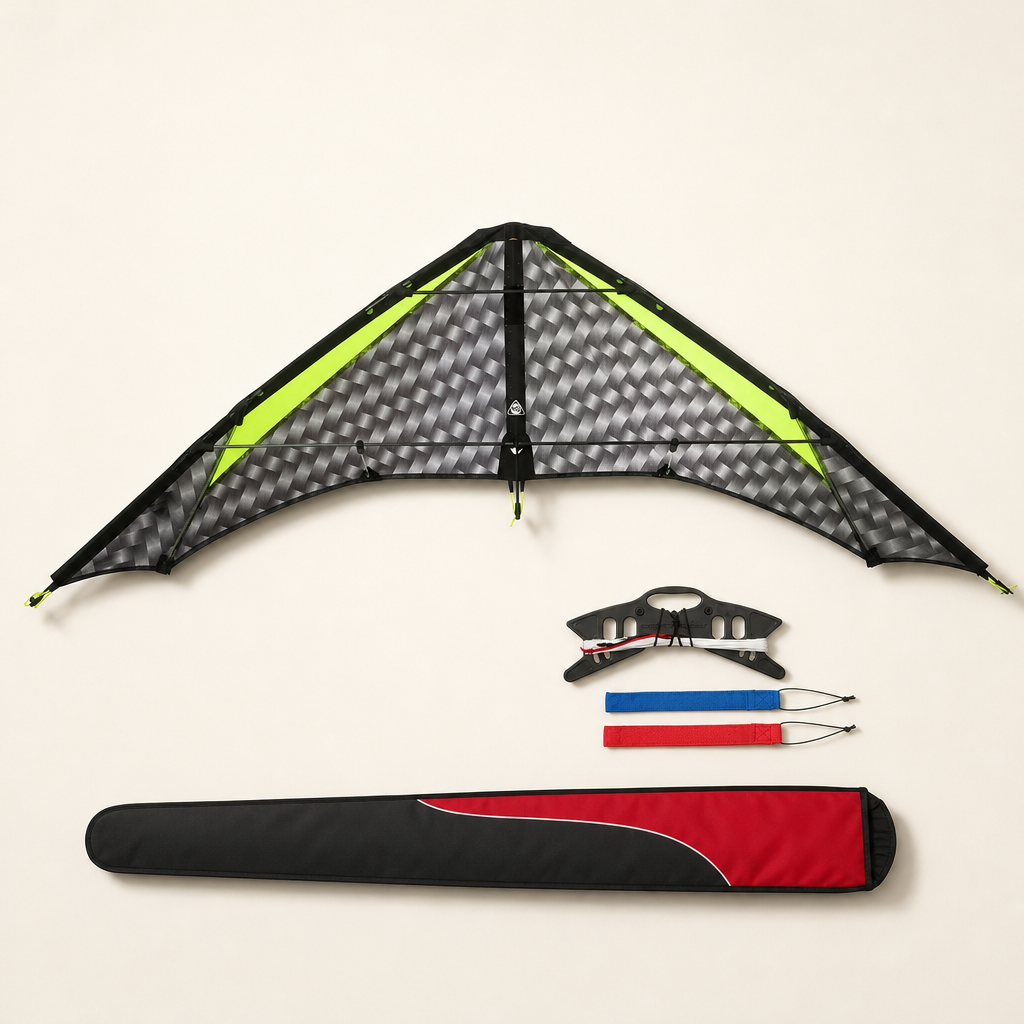 HQHQ Little Arrow$80 |
|---|---|---|---|---|---|---|---|
| Skyborne CompositionPriority 1 | 8.0Frameless all-fabric parafoil eliminates rigid frame parts and packs into a compact pouch; exact sail fabric is not disclosed. | 9.0The quarter-moon form and nearly 10-foot span create exceptional visual presence; an independent review calls it a fantastic sight in the air. | 7.5Documented ripstop-polyester sail, 130 cm span and 125 g weight make a compact, light foil; testing found robust material without excessive thickness. | 7.5Listings specify a 76 × 50 cm frameless ripstop-polyester sail, 190 cm/75 in tail and included polyester line; no rigid frame is used. | 9.5The 140 x 102-inch moth silhouette and sewn-applique sail create exceptional visual presence; supplied reviews describe it as beautiful and crowd-pleasing. | 9.0The 295 cm delta, canard sail, lime color, and 9-metre tail create a large, distinctive visual presence; a forum owner called it a “very beautiful sight”. | 8.5The 118 cm frame, Ristop-polyester sail and 4 mm carbon-fiber spars form a focused speed-kite package; the neon-green/carbon finish is assertive. |
| Field-Day PleasurePriority 2 | 8.0Independent flight review calls it responsive, super easy to launch, and an ultimate pocket kite; speed and sensitivity can reduce relaxation. | 7.0A retailer review calls it beautiful, well made, and enjoyable to fly; the large case and fixed construction reduce convenience. | 8.0Testing found balanced low-wind flight, frequent self-recovery after edge collapse and enjoyable speed; stock lines reduce low-wind directness. | 8.5The independent review calls it pocket-sized, portable, forgiving for novices and suitable for families; rainbow styling and tail add visible movement. | 6.5The independent owner recommends gentle, unhurried launch and retrieval. It is rewarding in suitable conditions but less carefree than a simple sled. | 8.0Firsthand reports praise the calm flight image and appearance, but describe the assembly as unusual and the retailer specifies use from age 14. | 6.5An exact-model owner wrote that it “macht auf jeden Fall Spaß” and is “eine schöne Herausforderung,” while describing frequent stalls in gusts. |
| Wind-Ready RelevancePriority 3 | 8.0Maker says it flies best in moderate-to-strong wind; the manual recommends smooth 8–12 mph winds for first flights. | 7.0The retailer lists 6–18 mph and says it is stable in gusts; a firsthand account reports 8–10 mph gusting to 12 mph. | 8.0Manufacturer lists 2–6 Bft; testing found stable flight from about 15 km/h, with rapidly increasing speed above 25 km/h. | 7.0Manufacturer lists 2–6 Bft; retailer lists 2–6 Bft in specs but describes 2–5 Bft in copy, so upper-range guidance is uncertain. | 8.0The manufacturer specifies 5–12 mph; the independent review says the maximum should be strictly observed. Skilled steady-wind use is documented. | 6.0The retailer lists 1.5–4 Bft; a firsthand owner recommends 1.5–3 Bft and reports a connector bending when wind became gusty. | 7.0The retailer lists 2–8 Bft and easy starts at 2–3 Bft; the owner reports that gusts can cause stalls and require active recovery. |
| Controlled Lift GatePriority 4 | 7.0Its speed-foil character is manageable with experience, but forum evidence calls the 140 fast and sensitive; prior stunt-kite practice helps. | 8.0The retailer describes a graceful, steady flier that stays in place; a firsthand account reports a steeper angle after winds faded. | 7.0The foil gains speed suddenly above 25–30 km/h without strong pull; beginners and less-reactive children need suitable conditions and space. | 7.5Frameless construction and novice-oriented review support accessible launching, but launch behavior across the stated range is not established. | 6.0Large wings soar in the right breeze, but limited spar support, light rear balance, and fragile construction demand experienced piloting. | 6.0The retailer describes calm, balanced flight. The gust-related connector damage limits conditions, but does not make steady-wind use inherently unsafe for a skilled flyer. | 6.5The retailer describes precise flight and stronger pull in extreme wind; owner evidence supports a conditional pass for experienced pilots, not beginners. |
| Repairable Flight LifePriority 5 | 8.0No frame can break; the manual documents Blood Knot line joining and sail repair tape, while support handles repair questions. | 6.0Ripstop nylon and carbon are documented, but supplied sources provide no lifespan, repair, or spare-parts evidence. | 7.0Testing reported fault-free seams and knots. Separate lines may simplify replacement, but long-term parts and repair support are undocumented. | 6.5The independent review reports surviving a tree incident, but it does not document repair parts, seams or current-material lifespan. | 5.0Ripstop nylon and carbon are identified, but supplied sources provide no repair instructions, spare-parts support, or lifespan evidence. | 6.0A firsthand owner reinforced a bent plastic connector with a short aluminium tube; formal spare-parts and lifespan information are not supplied. | 5.5Carbon spars and a polyester sail are specified, but the supplied sources give no repair instructions, spare-parts policy or lifespan evidence. |
| Weighted value | 7.8/ 10 | 7.6/ 10 | 7.6/ 10 | 7.5/ 10 | 7.3/ 10 | 7.3/ 10 | 7.0/ 10 |